
Retatrutide Reconstitution Calculator: 2026 Step-by-Step
Retatrutide Reconstitution Calculator: 2026 Step-by-Step
This guide walks through using a reconstitution calculator for retatrutide: gathering vial and diluent numbers, calculating concentration, converting to U-100 syringe units, checking doses-per-vial, and avoiding common measurement mistakes — with worked examples throughout.
Table of Contents
- Step 1: Gather Your Vial and Dose Details
- Step 2: Choose Bacteriostatic or Sterile Water
- Step 3: Calculate Concentration From Vial Strength and Diluent
- Step 4: Understand Final Volume vs. Diluent Volume
- Step 5: Convert Draw Volume to U-100 Syringe Units
- Step 6: Work Across mcg, mg, and mL Without Losing Track
- Step 7: Estimate Doses Per Vial
- Step 8: Double-Check Against Manufacturer Stability Limits
- Step 9: Avoid the Measurement Errors That Cause Dosing Mistakes
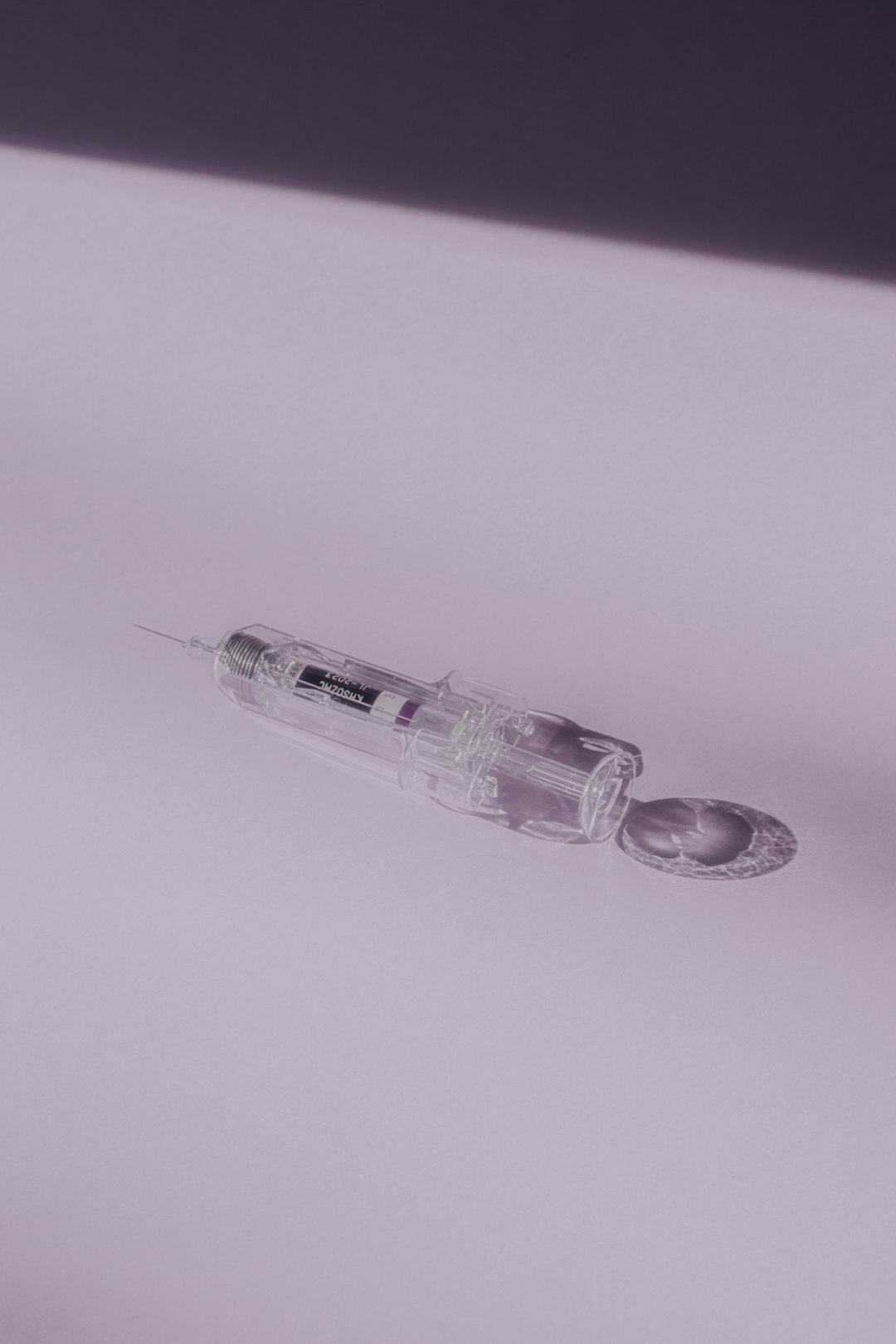
Step 1: Gather Your Vial and Dose Details
Before touching a calculator, collect three numbers: the total peptide amount in the vial (in mg), the amount of diluent you plan to add (in mL), and your target dose (in mg or mcg). For retatrutide, vials commonly arrive as a lyophilized powder measured in milligrams, so you’ll be working in mg-to-mL math rather than the IU/mL scale used for something like HGH. Write these three numbers down before opening any app — a reconstitution calculator like the one built into Pep can only give you an accurate answer if the inputs are accurate. If you’re unsure of your vial strength, check the label or the certificate of analysis rather than guessing, since even a small strength mismatch compounds through every later step. This is also the point to decide your syringe type (U-100 is standard for most peptide protocols) since that choice affects how your draw volume gets displayed later. It’s worth building a simple habit here: before you reconstitute a new batch, jot the vial strength, diluent volume, and target dose on a sticky note or in your tracking app so you’re not relying on memory later in the week, especially if you’re managing more than one compound at a time.
Step 2: Choose Bacteriostatic or Sterile Water
Diluent choice affects both your math and your vial’s usable lifespan. Bacteriostatic water contains 0.9% benzyl alcohol as a preservative, which lets a reconstituted vial be used over multiple sessions across days or weeks, while sterile water has no preservative and is generally intended for single-use reconstitution. Most peptide protocols, including retatrutide, use bacteriostatic water specifically because it supports multi-dose vials — a key reason it’s paired with reconstitution calculators that also estimate doses-per-vial and expiry tracking. The volume of diluent you choose doesn’t change the total amount of peptide in the vial, but it does change the concentration, so pick a diluent volume that produces a concentration matching easy syringe markings. Once you’ve decided, enter it consistently every time you reconstitute the same compound, since switching diluent volumes between vials is one of the most common sources of dosing confusion in self-tracked protocols. If you ever switch from bacteriostatic to sterile water — for example, because you’re preparing a single dose and discarding the rest — remember to recalculate your usable window as well as your concentration, since sterile water reconstitutions are typically not intended to sit in the refrigerator for weeks the way a benzyl-alcohol-preserved vial can.
Step 3: Calculate Concentration From Vial Strength and Diluent
The standard formula for how to calculate reconstitution volume from vial strength and target dose starts with concentration: concentration equals vial amount divided by diluent volume, expressed in mg/mL. For example, a 10 mg retatrutide vial reconstituted with 2 mL of bacteriostatic water yields a concentration of 5 mg/mL. From there, draw volume equals desired dose divided by concentration — so a 2 mg target dose divided by 5 mg/mL gives a draw volume of 0.4 mL. This two-step formula (concentration, then draw volume) is the backbone of virtually every reconstitution calculator, and it’s the same logic Pep’s built-in calculator uses when you enter your vial and target dose. Once you have draw volume in mL, the last step converts it into a syringe reading, which is where most manual math errors creep in if you’re not using a calculator. It’s also useful to sanity-check your concentration against the syringe markings you’ll actually use: if a chosen diluent volume produces a concentration that only lines up cleanly with half-unit markings, consider adjusting the diluent volume slightly so your everyday draws land on numbers you can read at a glance.
Step 4: Understand Final Volume vs. Diluent Volume
A subtlety that trips up even careful trackers is the difference between final volume and diluent volume in reconstitution. Most consumer calculators assume the volume of diluent you inject equals the final solution volume — so 2 mL of water added to a vial produces 2 mL of solution. But lyophilized powder itself takes up space, called powder displacement volume, and a pharmacy-standards worked example shows 10 mL of diluent plus 0.7 mL of powder volume yielding a 10.7 mL final volume and a corresponding concentration of 93.5 mg/mL rather than the number you’d get by ignoring powder volume, as detailed in a pharmacy compounding standards reference. For small peptide vials the powder volume is often negligible, but for larger or more concentrated vials, ignoring it can shift your calculated concentration by several percent. If precision matters for your protocol, check whether your reconstitution calculator accounts for powder displacement or assumes diluent volume equals final volume. A related government dilution protocol recommends reconstituting a vial with at least 5 mL of water for injection to keep the final concentration at or below 100 mg/mL, which is a useful sanity ceiling to keep in mind even outside a clinical pharmacy setting.
Step 5: Convert Draw Volume to U-100 Syringe Units
U-100 syringe units to milliliters conversion follows a fixed rule: 1 mL equals 100 units on a U-100 insulin syringe, so 0.1 mL equals 10 units and 0.01 mL equals 1 unit. Using the earlier example, a 0.4 mL draw volume converts to 40 units on a U-100 syringe. If you’re using a U-40 syringe instead, the scale is different, so it’s essential to confirm which syringe standard your calculator is set to before drawing anything. This conversion is the single most useful output of a reconstitution calculator because syringes are marked in units, not milliliters, and reading the wrong scale is an easy way to draw double or half your intended dose. Pep’s dose tracking and reconstitution tools default to U-100 unless you specify otherwise, and display your draw amount directly in syringe units so you’re not doing mental math mid-injection. For a broader walkthrough of dose math for GLP-1 style compounds, see this tirzepatide reconstitution calculator guide. It’s also worth physically checking the barrel of your syringe against the number your calculator gives you before drawing — a quick visual confirmation that the plunger sits at the expected unit line catches transposed numbers or unit-scale mismatches before they become an actual injection.
Step 6: Work Across mcg, mg, and mL Without Losing Track
Reconstitution calculators for compounds like retatrutide often require entering values in mcg, mg, and mL within the same workflow, and unit mismatches are a leading cause of miscalculated doses. If your target dose is written in micrograms but your vial strength is in milligrams, convert everything to the same unit before running the math — 1 mg equals 1,000 mcg. Many calculators, including reconstitution tools referenced by peptide dosing resources, let you enter the desired dose in either mcg or mg and will output syringe units directly, which removes the manual conversion step entirely. Still, it’s worth sanity-checking the output: if a 2 mg dose suddenly displays as 2,000 units, you’ve likely entered mcg where mg was expected. Building this habit of double-checking unit labels before logging a dose is one of the simplest ways to prevent a tenfold dosing error, which is disproportionately easy to make when switching between compounds that use different default units. A practical safeguard is to standardize on one unit — say, always entering dose targets in mg — across every compound you track, so your eyes get used to a consistent range of expected numbers and an outlier immediately looks wrong.
Step 7: Estimate Doses Per Vial
Once concentration and draw volume are set, calculating how many doses per vial you’ll get is straightforward: divide the total peptide amount in the vial by your per-dose amount. A 10 mg retatrutide vial dosed at 2 mg per injection yields 5 doses per vial, which then maps to how long a single vial will last at your chosen frequency. This number matters for inventory planning — many reconstitution calculators surface a running doses-remaining count alongside the concentration and draw volume, so you can see at a glance when it’s time to reorder rather than discovering an empty vial on injection day. If your dosing schedule changes mid-protocol, for example stepping up from 2 mg to 4 mg per injection, recalculate doses-per-vial immediately, since the remaining supply will run out roughly twice as fast at the higher dose. Tracking this figure over several vials also helps you spot whether your actual draws match your planned dose — if a vial that should yield 5 doses is running out after 4, that’s a signal to revisit your measurement technique or your calculator inputs before the next reconstitution.
Step 8: Double-Check Against Manufacturer Stability Limits
Even a mathematically correct reconstitution can fall outside recommended stability ranges if the resulting concentration or diluent volume conflicts with manufacturer or compounding-pharmacy guidance. Some peptide dosing resources and pharmacy-standards references specify upper concentration limits — for instance, a government dilution protocol calls for at least 5 mL of water for injection to keep a reconstituted vial at or below 100 mg/mL, since overly concentrated solutions can affect both stability and comfort at injection time. Before finalizing your diluent volume, it’s worth checking whether the peptide’s supplier or any published compounding reference lists a maximum recommended concentration, a minimum diluent volume, or a maximum time the reconstituted solution should be stored and at what temperature. A reconstitution calculator will happily compute a valid-looking concentration and draw volume even if that concentration falls outside a manufacturer’s tested stability range, so treat the calculator’s output as a math check, not a substitute for reading the product’s own storage and handling guidance. When in doubt, err toward the diluent volume and storage conditions that keep you closest to documented, tested ranges rather than optimizing purely for round syringe numbers.
Step 9: Avoid the Measurement Errors That Cause Dosing Mistakes
Most real-world dosing mistakes trace back to a handful of repeatable errors rather than the math itself. The most common is confusing mL and units on the syringe barrel — drawing to the 40 mark when you meant 0.4 mL worth of units, or vice versa, especially when switching between syringe types. A second common error is inconsistent diluent volumes between reconstitutions, which silently changes concentration even though the vial label hasn’t changed. A third is failing to shake or swirl (rather than vigorously shake, which can degrade some peptides) the vial fully before drawing, leading to an uneven concentration across the vial’s usable life — later draws can end up more or less concentrated than earlier ones if the powder didn’t fully and evenly dissolve. A fourth is trusting mental math over a calculator when fatigued or rushed, which is exactly when unit mix-ups between mcg and mg are most likely to slip through. Using a dedicated reconstitution calculator, confirming your syringe scale before every draw, keeping your diluent volume consistent, and logging each dose as you go are the simplest, most repeatable defenses against these errors, and together they turn a multi-step calculation into a routine you can trust.
Frequently Asked Questions
What is a retatrutide reconstitution calculator used for?
It converts your vial strength, diluent volume, and target dose into a concentration, a draw volume in mL, and equivalent syringe units so you know exactly how much to draw for each injection.
How much bacteriostatic water should I add to a retatrutide vial?
There’s no single universal answer — it depends on your vial strength and preferred concentration. Many trackers choose a diluent volume that produces round syringe unit numbers, such as 5 mg/mL or 10 mg/mL, for easier daily dosing.
Is 40 units the same as 0.4 mL?
Yes, on a U-100 syringe, 40 units equals 0.4 mL, since 1 mL equals 100 units on that syringe scale. Always confirm you’re using a U-100 syringe before applying this conversion.
Does powder volume affect my reconstitution math?
It can, especially in larger vials. Diluent volume plus the powder’s own displacement volume equals true final volume, which can shift your calculated concentration compared to assuming diluent volume alone is the final volume.
Can I track my retatrutide doses after reconstituting?
Yes — apps like Pep let you log each dose, track remaining vial inventory, and monitor injection sites and symptoms alongside your reconstitution math, all in one place.